
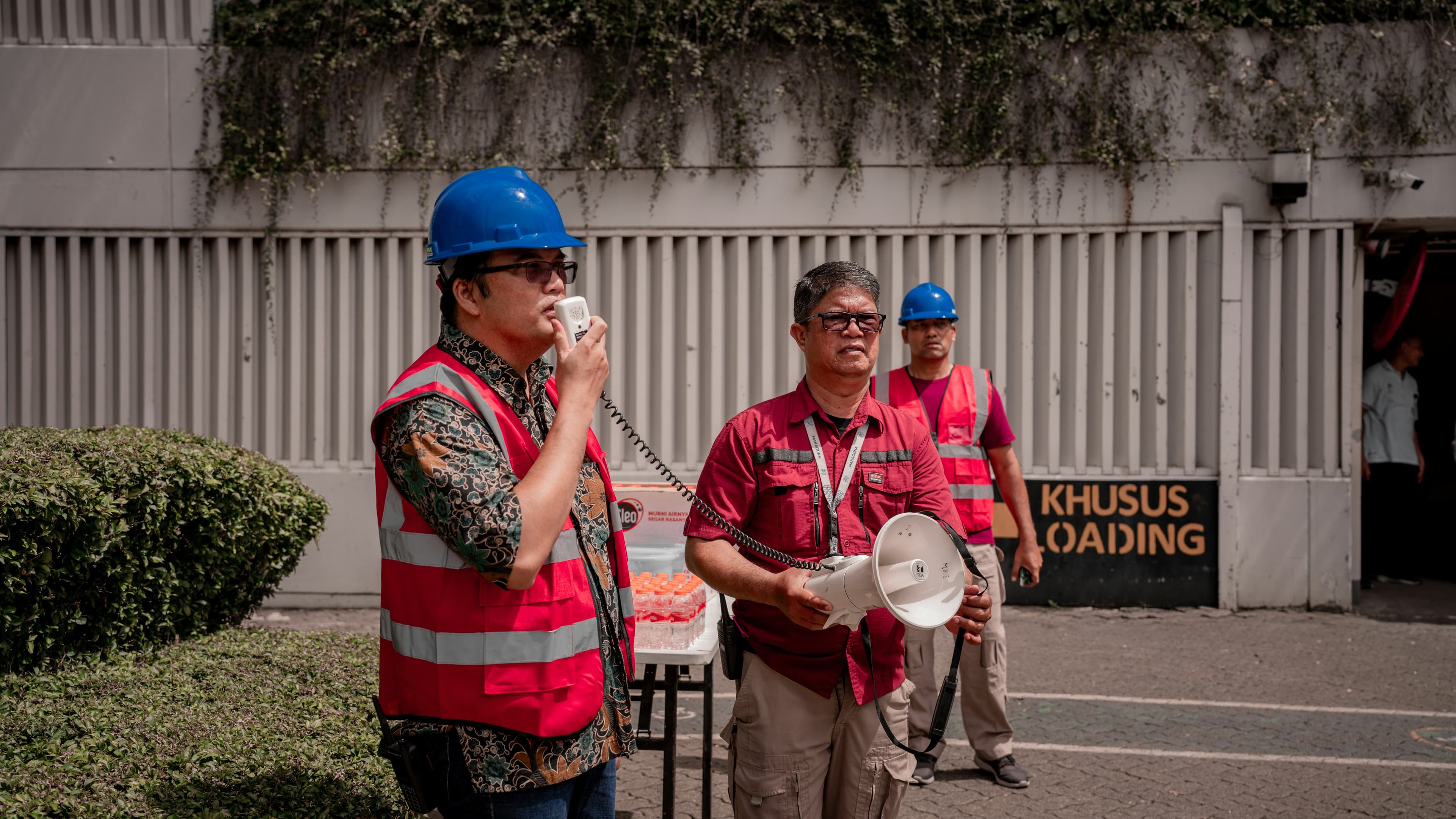
Why Industrial Safety Must Be a Core Part of Sustainability Strategies
Sustainability is often associated with environmental protection and renewable energy adoption, but true sustainability also depends on workplace safety, employee wellbeing, and responsible operational practices. Industries that fail to protect workers, manage risks, and maintain safe facilities cannot achieve long-term sustainable growth.
By Rohit RodeJune 01, 2026
At a Glance
- Understanding Modern Sustainability
- The Relationship Between Safety and Sustainability
- The Cost of Poor Industrial Safety
- Building a Strong Safety Culture
- Safety as Part of ESG Goals
- Conclusion
Understanding Modern Sustainability
Modern sustainability is no longer limited to reducing carbon emissions or switching to renewable energy sources. Organizations are now expected to operate responsibly across environmental, social, and governance dimensions. This includes protecting workers, minimizing operational risks, and maintaining ethical workplace standards.
Industrial accidents can lead to severe environmental damage, operational shutdowns, financial losses, and long-term reputational harm. As industries evolve toward more sustainable operations, safety management systems are becoming increasingly important within ESG frameworks and corporate sustainability reporting.
The Relationship Between Safety and Sustainability
Safety and sustainability are deeply interconnected. A sustainable organization must ensure that employees can work in a secure environment without exposure to unnecessary risks. Unsafe workplaces often lead to operational instability, higher insurance costs, legal penalties, and reduced employee morale.
When organizations invest in strong industrial safety systems, they create more resilient operations capable of long-term growth. This includes implementing hazard identification programs, emergency response systems, equipment maintenance procedures, and employee safety training initiatives.
The Cost of Poor Industrial Safety
Industrial incidents can create devastating consequences for both businesses and surrounding communities. Fires, explosions, toxic leaks, and equipment failures can result in injuries, fatalities, environmental contamination, and production losses.
In addition to direct financial damage, companies may also face regulatory penalties, legal liabilities, and reputational decline. Investors and customers increasingly expect organizations to demonstrate responsible operational practices and transparent safety performance metrics.

Building a Strong Safety Culture
A strong safety culture begins with leadership commitment. Organizations that prioritize safety at every level of operation are more likely to reduce workplace incidents and improve long-term performance. Employees should be encouraged to report hazards, participate in training programs, and follow established safety procedures.
Technology is also playing a growing role in industrial safety management. Smart monitoring systems, predictive maintenance tools, digital inspections, and AI-driven analytics are helping companies identify potential hazards before accidents occur.
Safety as Part of ESG Goals
Environmental, Social, and Governance frameworks are increasingly influencing investment decisions and corporate reputation. Workplace safety falls directly within the social and governance components of ESG reporting. Companies with strong safety records are often viewed as more responsible, stable, and sustainable by investors and stakeholders.
Organizations that integrate industrial safety into sustainability planning are better prepared for regulatory changes, operational challenges, and long-term market expectations.
Conclusion
Industrial safety is not separate from sustainability — it is one of its most important foundations. Companies that protect workers, reduce operational risks, and maintain safe facilities are more likely to achieve long-term resilience and sustainable growth.
As industries continue to modernize and adopt cleaner technologies, safety management will remain essential for building responsible and future-ready operations