Consequence Analysis of Ammonia Leakage in Industrial Storage Facilities Using ALOHA
Ammonia leakage remains one of the most critical process safety concerns in chemical and fertilizer industries. This article presents a consequence analysis study using ALOHA software to evaluate toxic dispersion, identify threat zones, and support emergency preparedness in industrial ammonia storage facilities.
By Apeksha SableJune 08, 2026
At a Glance
- Introduction
- Need for Consequence Analysis in Ammonia Storage Facilities
- ALOHA Software for Hazard Assessment
- Methodology
- Event Tree Analysis of Ammonia Leakage
- Results and Discussion
- Risk Mitigation Strategies
- Conclusion
Introduction
Ammonia is extensively used in fertilizer manufacturing, refrigeration systems, and various chemical processing industries. Although it plays a vital role in industrial operations, ammonia is a highly toxic and corrosive substance that can cause severe consequences if accidentally released. Consequence analysis helps industries evaluate potential accident scenarios and implement effective safety measures before incidents occur.
Need for Consequence Analysis in Ammonia Storage Facilities
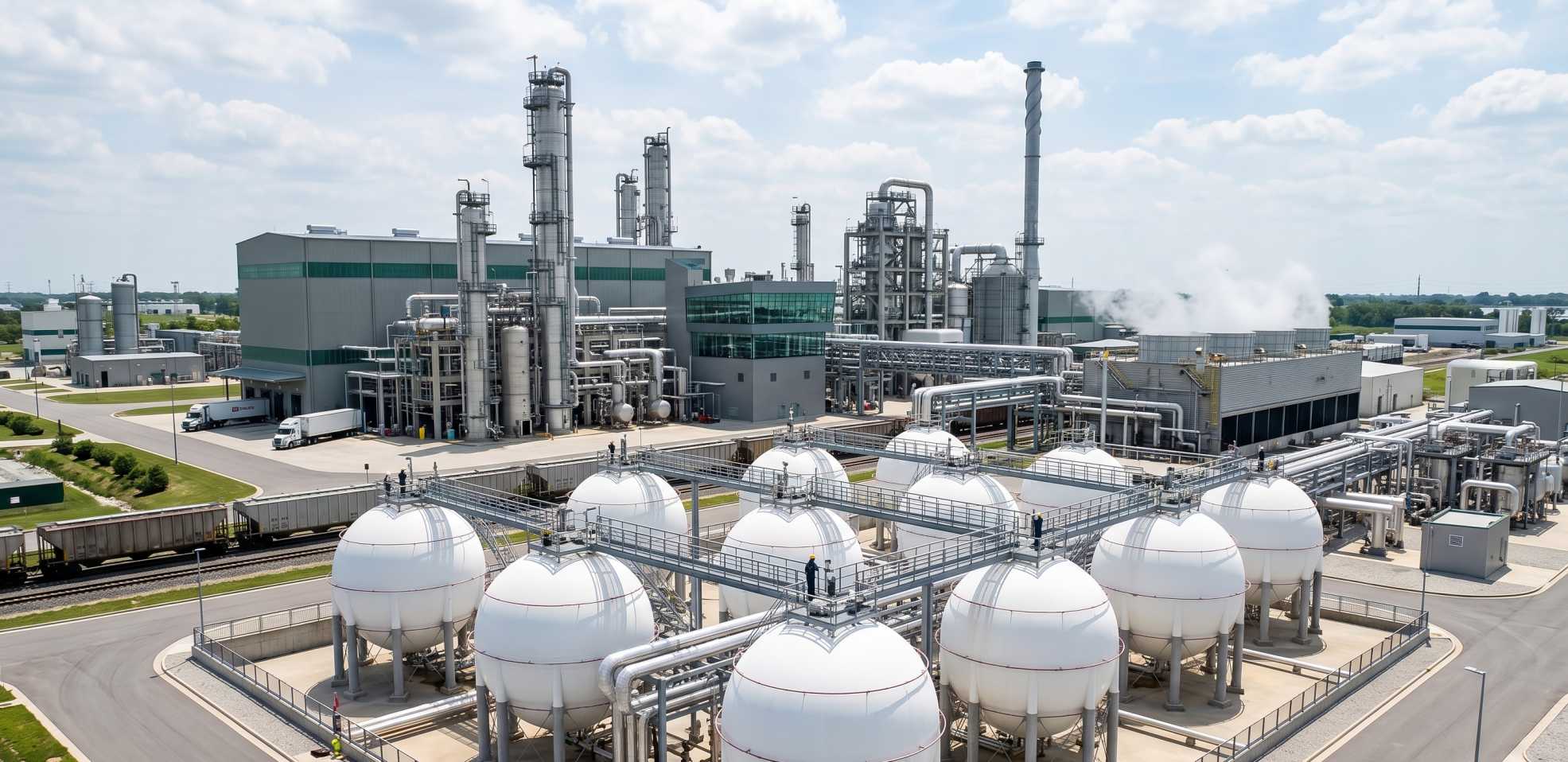
Industrial ammonia storage facilities handle large quantities of hazardous chemicals under pressure and controlled temperature conditions. Any loss of containment may result in the formation of a toxic vapor cloud capable of affecting personnel, nearby communities, and critical infrastructure. Understanding the magnitude and extent of these hazards is essential for improving emergency preparedness and risk management.
ALOHA Software for Hazard Assessment
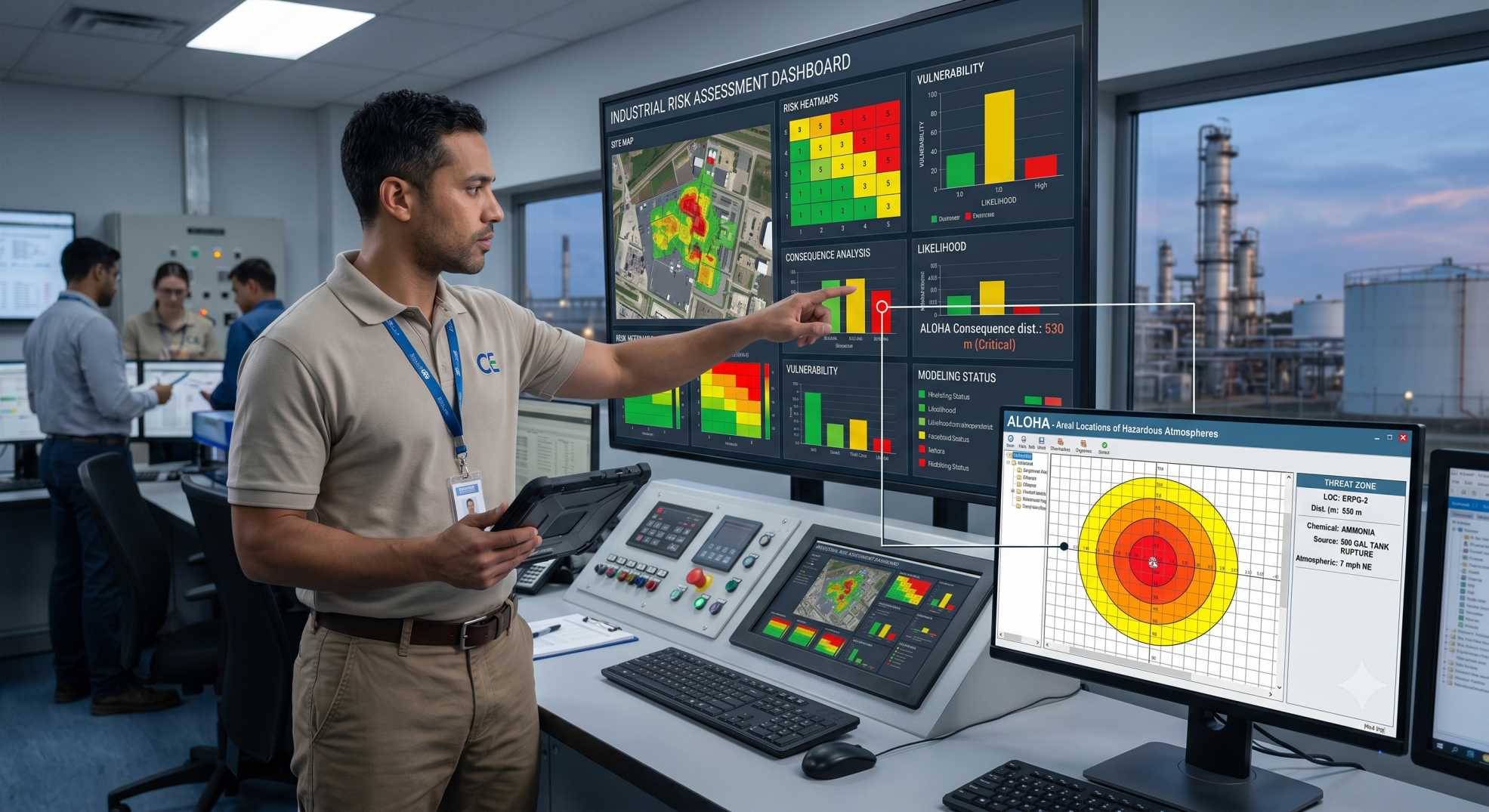
ALOHA, which stands for Areal Locations of Hazardous Atmospheres, is a widely recognized hazard modelling software used for emergency planning and consequence analysis. The software enables engineers to simulate accidental chemical releases and estimate toxic dispersion distances under varying meteorological conditions. ALOHA supports decision-making by providing visual threat zones and exposure estimates.
Methodology
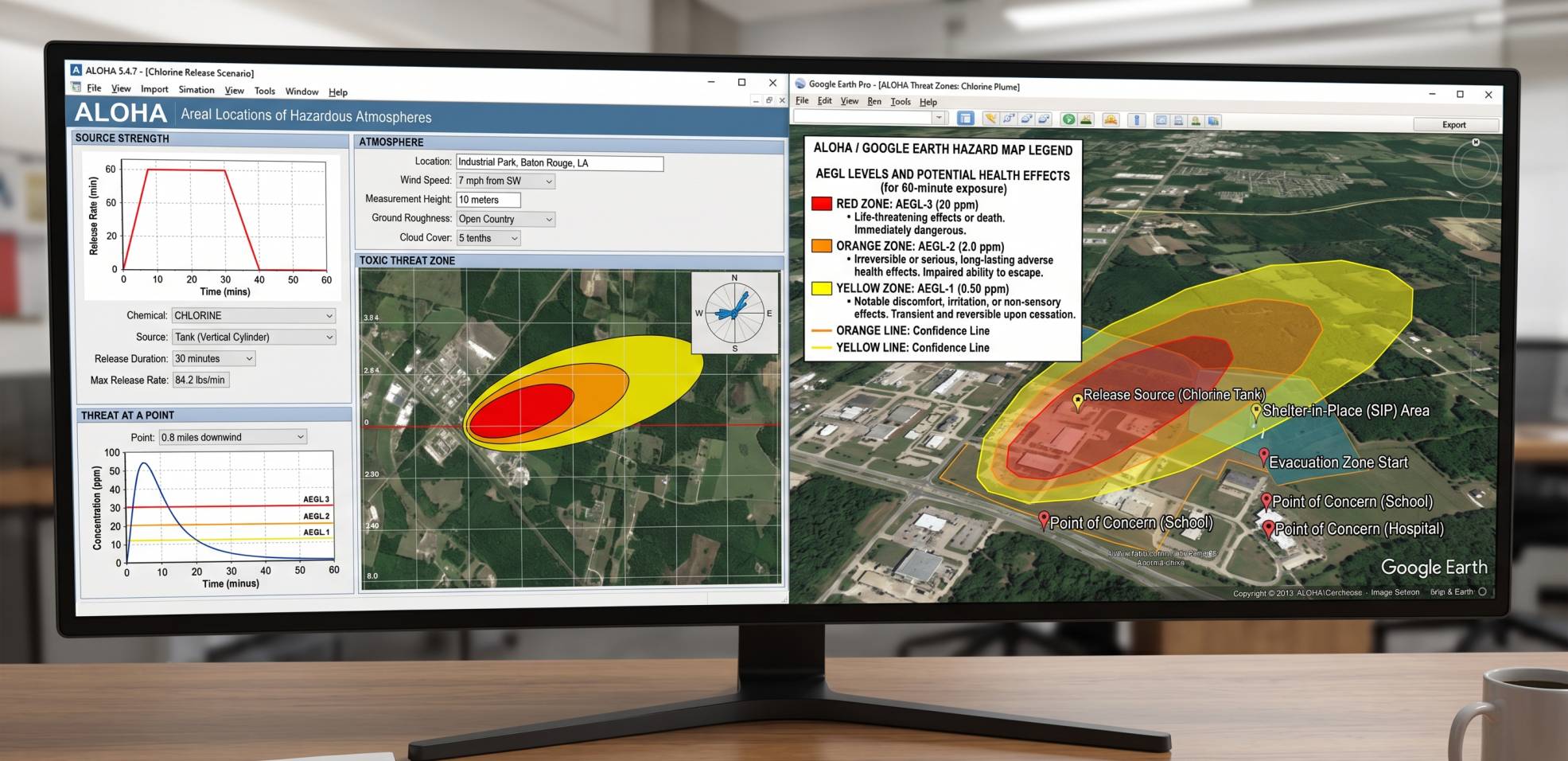
The study evaluates ammonia leakage scenarios by considering storage conditions, leak characteristics, meteorological parameters, and atmospheric stability classes. Input parameters such as wind speed, temperature, humidity, and release rate are incorporated into the ALOHA model to simulate toxic dispersion and identify potential impact zones. The resulting threat zones provide valuable insights into accident consequences and emergency response requirements.
Event Tree Analysis of Ammonia Leakage
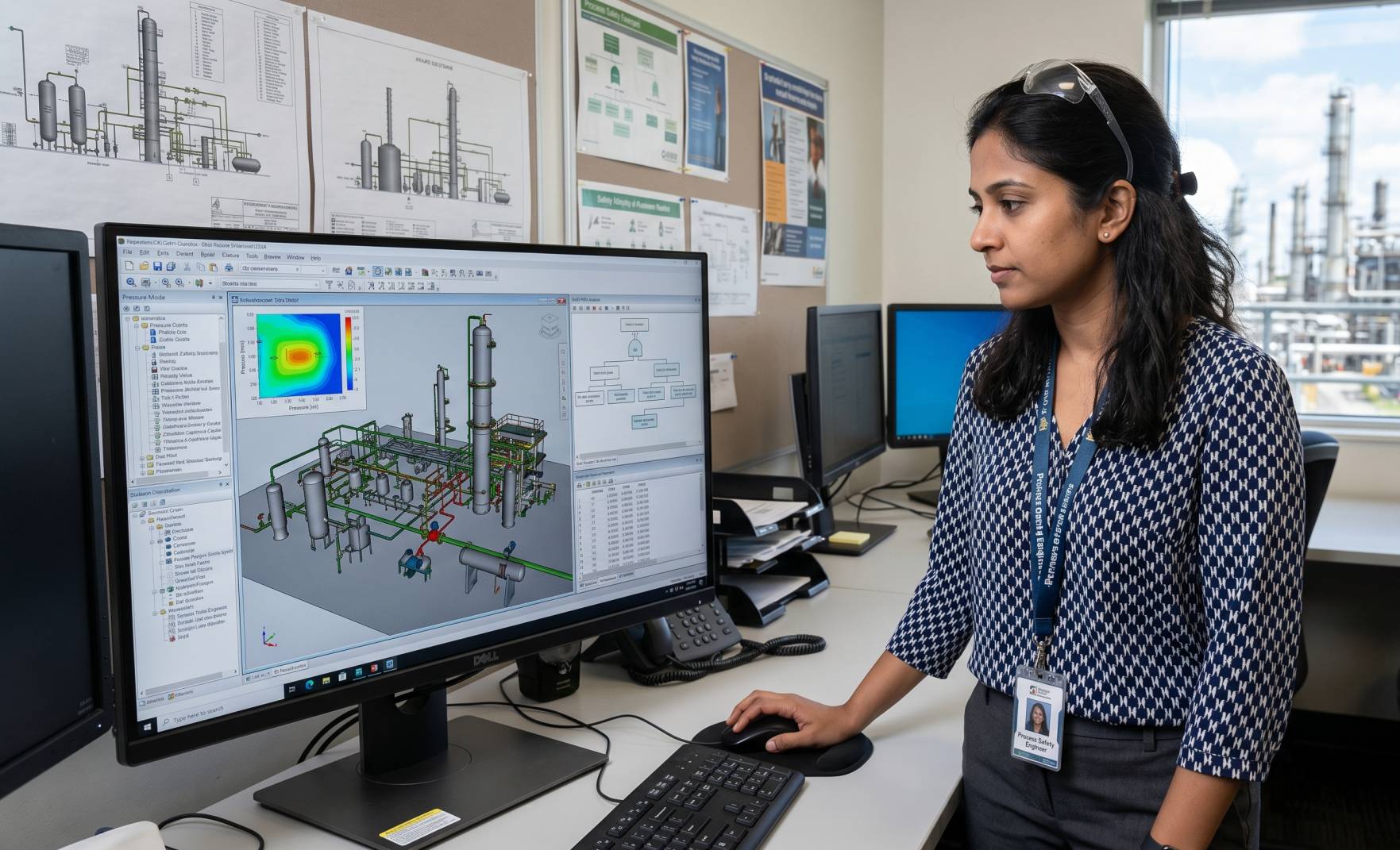
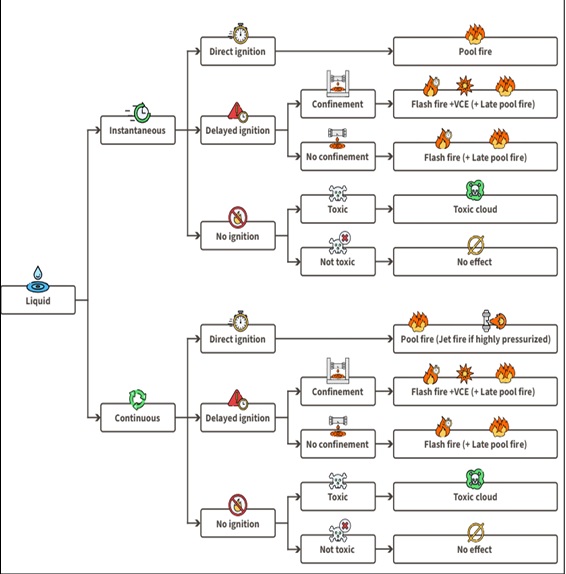
Event Tree Analysis is used to examine possible outcomes following a loss of containment event. Depending on ignition conditions and environmental factors, ammonia releases may result in toxic dispersion, flash fires, vapor cloud explosions, jet fires, or gas blasts. The event tree approach helps visualize accident progression and supports risk-based decision making.
Results and Discussion
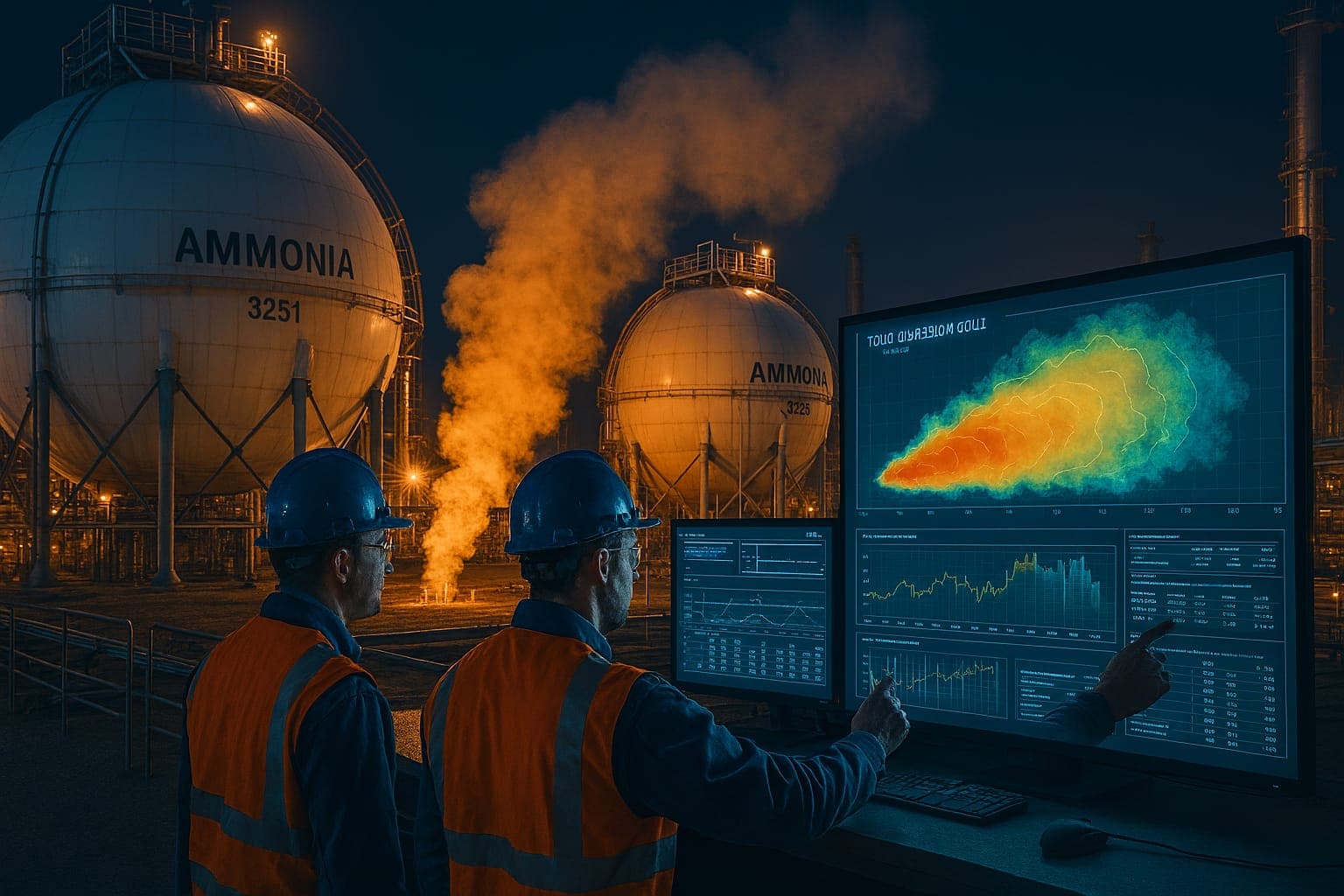
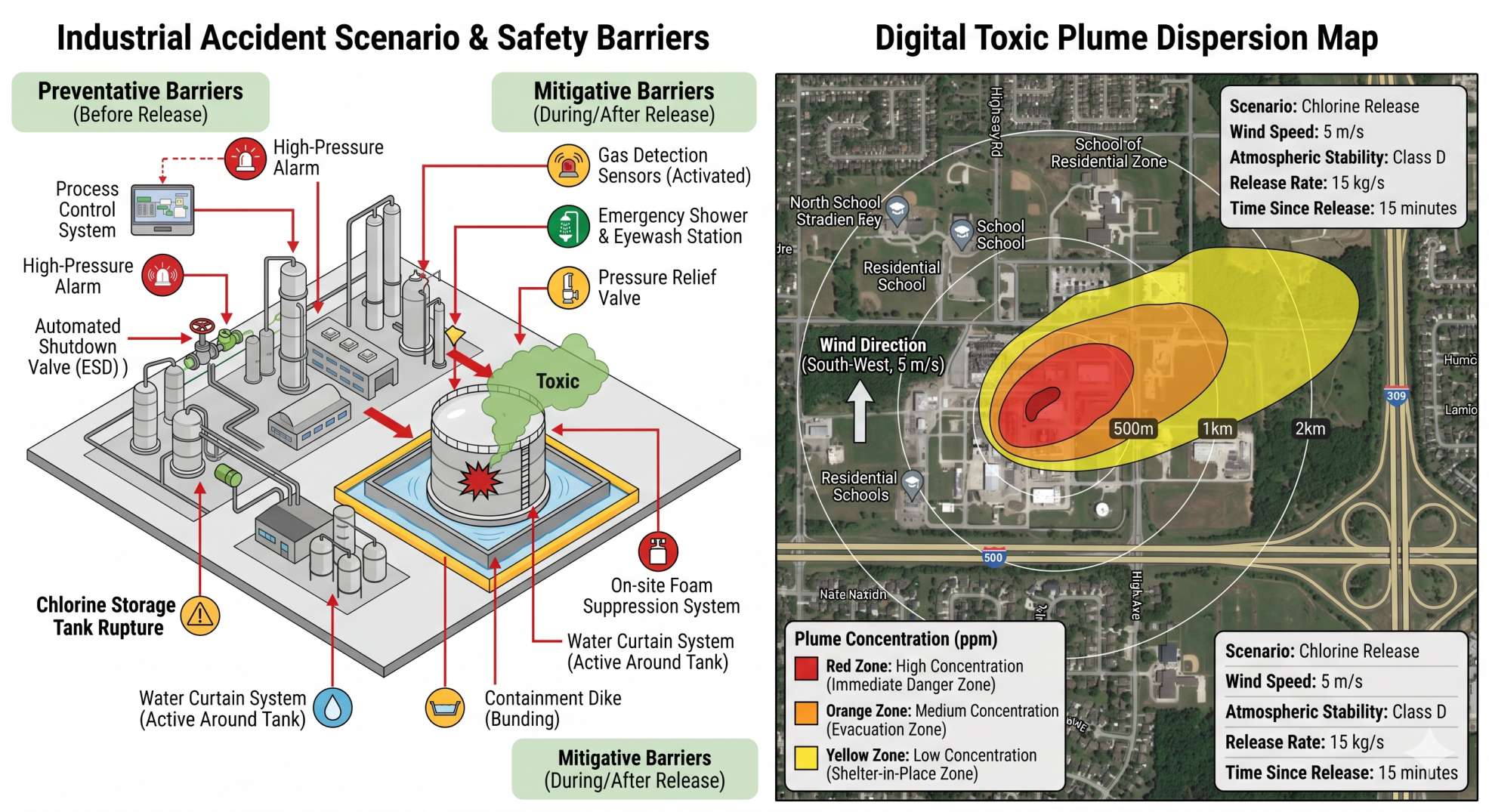
Simulation results indicate that meteorological conditions significantly influence ammonia dispersion behaviour. Lower wind speeds and stable atmospheric conditions produce larger toxic threat zones, increasing the risk to personnel and nearby populations. The findings demonstrate that toxic exposure remains the primary hazard associated with ammonia leakage incidents.
Risk Mitigation Strategies
Effective mitigation measures include continuous leak detection systems, preventive maintenance programs, emergency shutdown systems, water spray curtains, employee safety training, and structured emergency response plans. These controls help reduce the likelihood and consequences of accidental ammonia releases while improving overall process safety performance.
Conclusion
Consequence analysis using ALOHA provides a reliable framework for assessing ammonia leakage hazards in industrial storage facilities. The study highlights the importance of predictive modelling in identifying threat zones, enhancing emergency preparedness, and strengthening process safety management. Adoption of consequence analysis techniques can significantly reduce risks to people, assets, and the environment.